
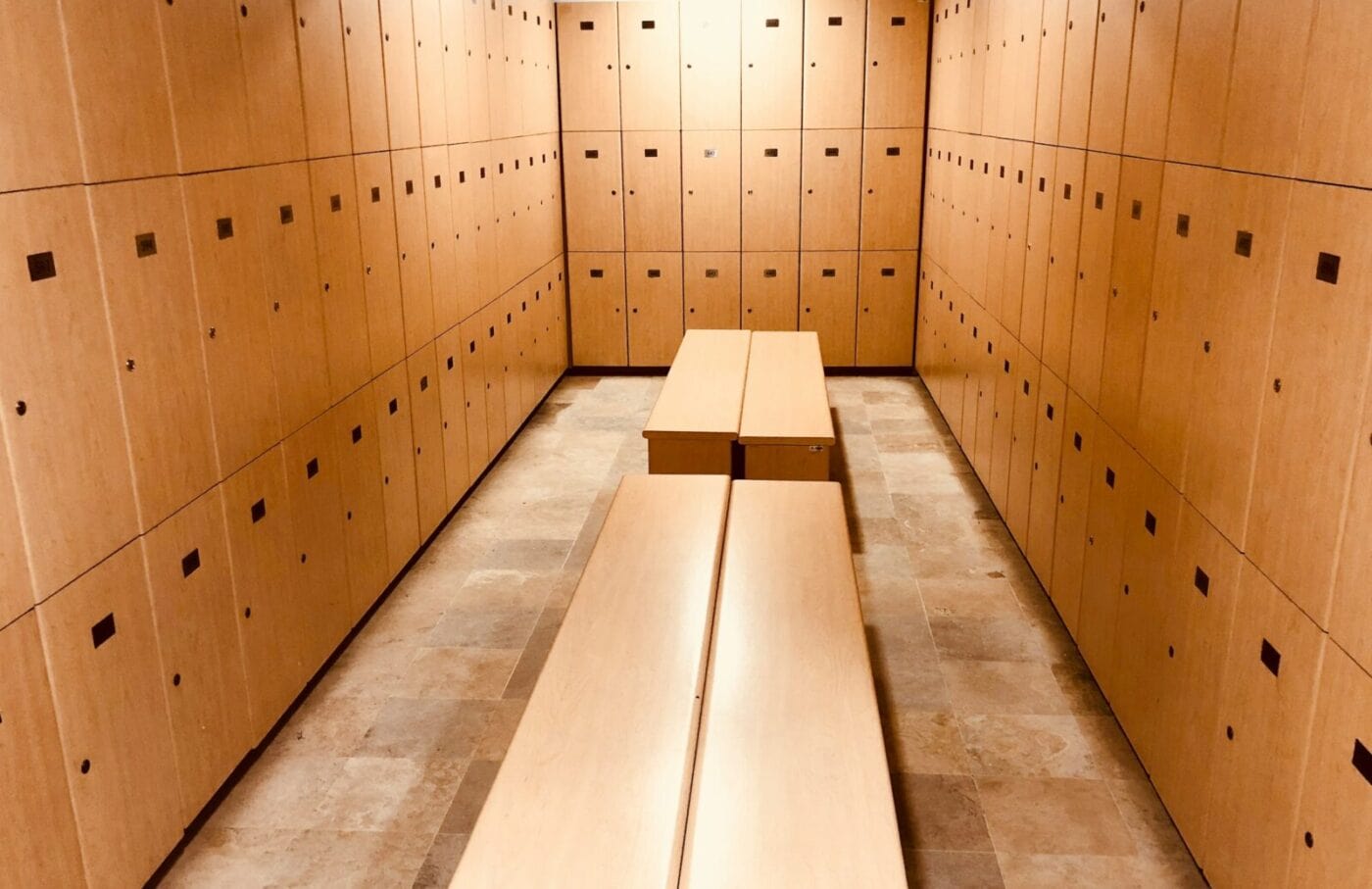
The storage of clothes, bags, and other possessions in lockers significantly influences the seamless operation of educational buildings throughout the day. Here are key considerations encountered when designing and installing lockers for education projects:
- Locker Ratio per Student: The ideal scenario is providing one locker for every student, but constraints such as limited space often lead to compromises. Locations may include corridors or open areas near classrooms. In cases of insufficient space or budget, decisions are required on which group receives locker allocations, possibly based on age or subject-specific storage needs.
- Size of Lockers: Lockers come in various sizes, accommodating different storage requirements. Options range from small lockers for small bags to full-height lockers capable of holding coats and larger possessions. Four small lockers can fit into one tier, while a large locker occupies a whole tier.
- Materials: Lockers are typically constructed from steel or Solid Grade Laminate (SGL). Steel lockers are cost-effective compared to SGL. Other materials, such as laminated boards (MDF or MFC), are used, but their fixings may not be as secure as those into steel or SGL. Additional features like sloping tops, blank panels, and end panels contribute to a polished locker installation.
- Locking Mechanisms: Locking options include key locks, hasp and staple, electronic, or coin return mechanisms. The choice depends on the building’s use. Coin return is common in public buildings like swimming pools. In education buildings, key locks and hasp and staple are often specified. Key locks require more management involvement, while electronic locks with Radio Frequency Identification (RFID) enhance access control. Hasp and staple locks are cost-effective but considered low-tech. However the padlocks these can be cut off with bolt cutters if lockers are abandoned and require less management time.
- Ventilation for Freshness: Addressing hygiene concerns, modern lockers incorporate built-in ventilation features. This innovation prevents unpleasant odours and actively contributes to maintaining a clean and healthy environment within the locker space. Adequate ventilation is crucial to curb the growth of mold and mildew, safeguarding stored items from potential damage.
- Tailored Interior Organization: Recognizing diverse storage needs, lockers now offer customizable interiors. Adjustable shelves, hooks, and compartments enable students to efficiently organize belongings. This tailored approach fosters responsibility, encouraging students to maintain neat and organized locker spaces, contributing to a more organized and visually pleasing educational environment.
- Charging Ahead: Embracing technology, some lockers feature integrated charging stations. These stations allow students to securely charge electronic devices during classes, ensuring devices are always ready for use. This feature caters to the needs of tech-savvy students, aligning with the evolving educational landscape.
- Aesthetic Appeal: Lockers are no longer mundane structures; they contribute to the overall aesthetics of educational spaces. Available in various colours, finishes, and designs, lockers add vibrancy to hallways and communal areas, creating a positive and engaging atmosphere within the education setting and enhancing the overall learning environment.
- Accessibility for All: Guided by inclusivity, lockers are designed to be accessible to students of varying physical abilities. Features such as lower locker placements for wheelchair users, easy-grip handles, and wider locker openings accommodate mobility aids, ensuring every student can independently utilize these storage units. This commitment to accessibility aligns with the broader goal of creating an inclusive and supportive educational environment for all.


